It’s a strange historical moment. The closer we get to celebrating the 250th anniversary of our Founders’ declaration that Americans were no longer subject to a king, the more our president acts like the kind of monarch the colonists rebelled against.
Although we treat the July 4, 1776, signing of the Declaration of Independence as the birthday of the United States, it wasn’t until more than two decades later that the U.S. Constitution under which we operate was ratified. The people who wrote our Constitution wanted to make sure that presidents could not act like tyrannical kings. That was pretty much the whole point.
They designed a system of government to prevent that from happening. That’s why power is separated between federal and state governments and between the different branches of the federal government. It’s meant to prevent leaders from abusing their power.
One specific way the Constitution limits the president’s power is by giving Congress the power to declare war. The founders thought this was important. James Madison wrote that “War is in fact the true nurse of executive aggrandizement,” in part because war empties the public treasury and gives the executive more opportunities to expand their power.
Our first president was clear. “The Constitution vests the power of declaring War with Congress, therefore no offensive expedition of importance can be undertaken until after they shall have deliberated upon the subject, and authorised such a measure,” George Washington wrote.
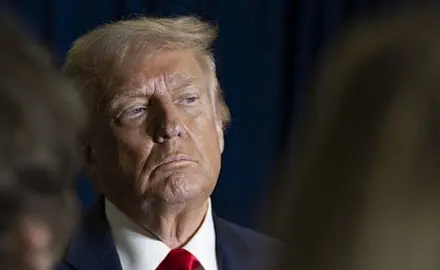
But on this issue, as on so many others, President Trump has acted like a monarch accountable only to his own whims. He loves to exercise power, giving orders without concern for the Constitution or law. He is, in the words of Talking Points Memo editor-at-large David Kurtz, “a mad king who enjoys watching things go boom.”
Trump did not engage Congress or the American public before launching a dangerous and expensive war against the government of Iran, without “so much as a fig leaf of a legal justification,” as journalist Ryan Cooper wrote in the American Prospect.
“It would be hard to ask for a better demonstration of why Congress, not the president, is supposed to have power over war,” Cooper wrote, noting that “taxpayer dollars are being spent at a rate of perhaps a billion dollars a day in service of a goal that the president can’t even articulate.” Noting that the Founders “were wrong about many things,” he added that “they were entirely correct to vest power over war with the legislature, which is supposed to publicly debate and vote on important questions.”
What about that system of checks and balances?
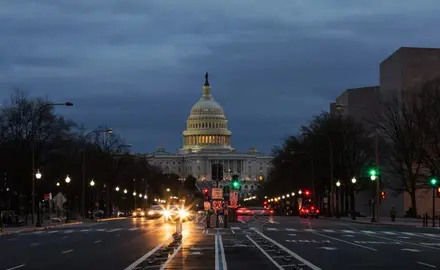
The Trump allies who control Congress are demonstrating once again that they are more loyal to Trump — or afraid of him — than they are to the Constitution. They are refusing to hold him accountable for unilaterally taking the U.S. to war, just as they’re resisting congressional Democrats’ efforts to rein in lawbreaking and abuses of power in the White House’s mass detention and deportation program.
Meanwhile, Trump and his allies undermine the judicial branch’s checks and balances by denouncing judges who insist that the administration follow the Constitution and laws. A recent chilling report by “60 Minutes” revealed that judges targeted by Trump are being swamped with threats and harassment.
In our democratic republic, the ultimate check on elected leaders abusing their power and ignoring their constitutional responsibilities is voters. And that’s not good news for Trump. Polls show that his wars abroad and at home are deeply unpopular. So, he is trying to head off voters’ ability to hold him accountable this fall by interfering with the elections.
Again, the Constitution is clear. As one federal judge recently noted, the Constitution gives the president “no authority” over the administration of elections. But Trump is pushing Congress to force states to make it harder for people to vote. Administration officials are scheming with people who tried to overturn his 2020 loss. And, like a king, he is claiming that he has unilateral authority to dictate how state and local officials run their elections.
I don’t know whether Trump believes he enjoys a kingly divine right to rule based on religious-right leaders telling him he’s anointed by God, or whether he agrees with JD Vance’s far-right pals who think democracy has failed and Americans need to be ruled by an authoritarian strongman, or whether he simply thinks he can get away with anything he wants to do.
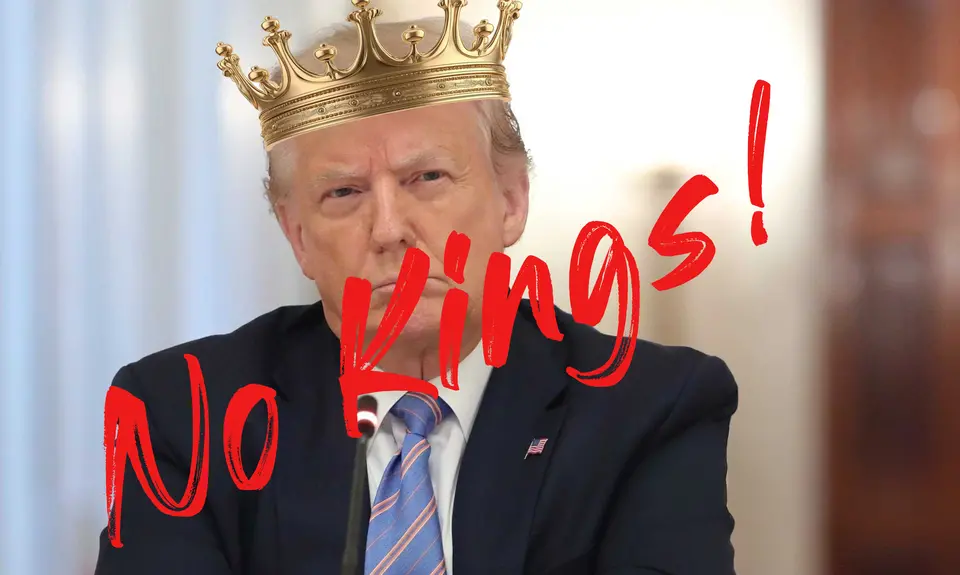
I do know that letting Trump get away with his mad king act threatens our freedom and our future. That’s why I will be working with allies to stop Trump from subverting our elections. And why I’ll be one of the millions of Americans turning out for this month’s No Kings rallies. We, too, can make history.