“Confirmed Judges, Confirmed Fears” is a blog series documenting the harmful impact of President Trump’s judges on Americans’ rights and liberties. It includes judges nominated in both his first and second terms.
What was this case about?
Evgenii Zhuravlev sought asylum in the U.S. from anti-LGBTQ persecution in Russia.
What happened at the Fifth Circuit?
Evgenii Zhuravlev came to the United States in 2023 without a valid entry document. The next year, he applied for asylum and protection from deportation. As a gay man, he would face significant persecution in Russia. His petition was denied by an immigration judge (IJ), and the Board of Immigration Appeals (BIA) affirmed the denial. Zhuravlev appealed to the Fifth Circuit.
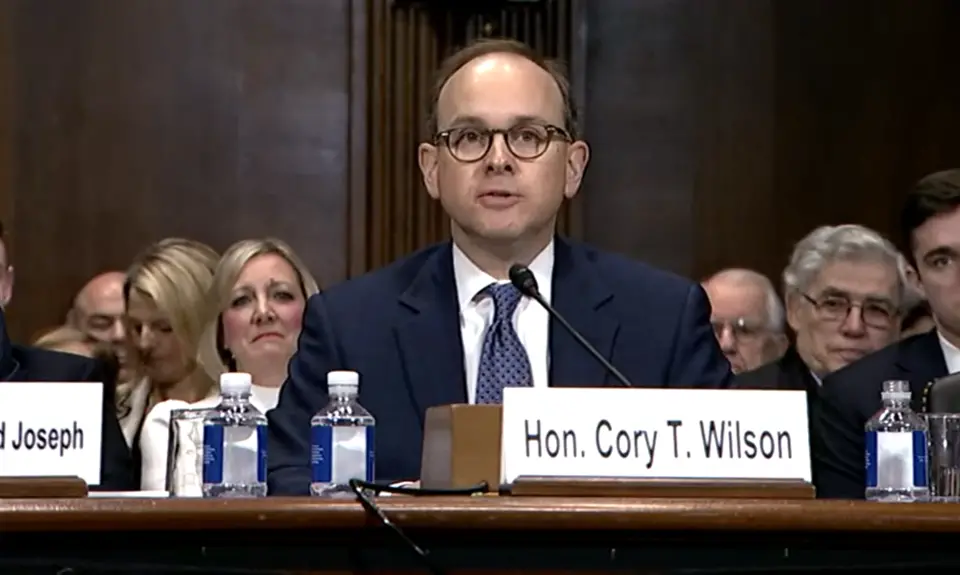
With Trump judge Cory Wilson providing the deciding vote, the court ruled against him in a 2-1 decision in Zhuravlev v. Blanche. The panel held that Zhuravlev had not adequately demonstrated a reasonable fear of future persecution.
What did the dissenting judge say?
Judge James Graves, nominated by President Obama, dissented. He noted that the IJ and BIA had not meaningfully addressed the evidence presented to them concerning the possibility of future persecution. For instance, after Zhuravlev emigrated, the Russian Supreme Court allowed the government to designate the international LGBTQ movement as “an extremist organization,” which has led to a clampdown on LGBTQ rights throughout the country. But the IJ simply dismissed the evidence without mentioning it. As Graves put it, to ignore such a concerning collapse of human rights in Russia without comment “reflects a lack of meaningful consideration of Zhuravlev's arguments” and thereby violated his rights.
What is the impact of this case?
As a result of this decision, Evgenii Zhuravlev faces deportation to Russia and persecution as a gay man. It also shows the danger that LGBTQ litigants can face when their cases are not heard by fair-minded judges.