“Confirmed Judges, Confirmed Fears” is a blog series documenting the harmful impact of President Trump’s judges on Americans’ rights and liberties. It includes judges nominated in both his first and second terms.
The Trump justices made possible a shadow docket decision letting the Trump administration dismantle the Education Department without congressional approval while litigation over that dismantling takes place. The July 2025 case is McMahon v. New York.
What was this case about?
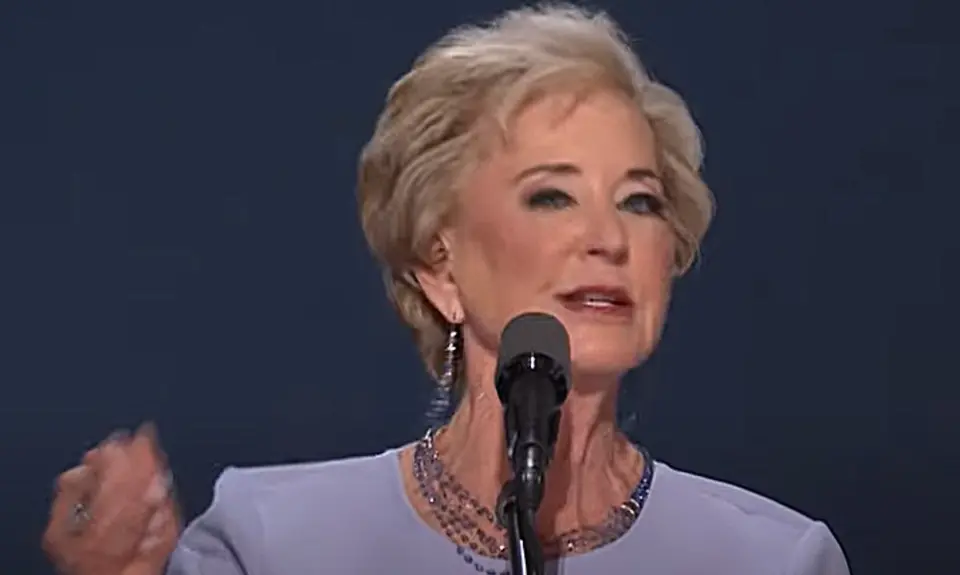
This case involves Trump’s autocratic moves to eliminate the Department of Education without congressional approval. In March, the Department announced that it would be firing about a third of its employees. About a week later, Trump issued an executive order directing Secretary of Education Linda McMahon to “take all necessary steps to facilitate the closure of the Department.” She immediately fired half its staff, acknowledging this was “the first step on the road to [its] total shutdown.”
A group of states, Washington DC, school districts, and teachers’ unions filed suit in federal court. They noted that the Department was created and structured by Congress, and no law gives the president the unilateral authority to shutter it.
In May, Massachusetts District Court Judge Myong Joun ordered the Education Department to reinstate the fired employees while the lawsuit proceeds. The Trump administration asked the First Circuit to stay the district court order, but the appeals court let it stand. So the administration asked the Supreme Court for “relief” from Judge Joun’s order while the case is litigated.
What did the Supreme Court majority do, and why is it harmful?
In a shadow docket order without explanation, the Court granted Trump’s motion. That means the administration can proceed with the dismantling of the Education Department during the course of litigation.
Justice Sotomayor wrote a dissent, which Justices Kagan and Jackson joined. She pointed out that only Congress has the power to abolish the department. In contrast, the president is constitutionally required to take care that the laws are faithfully executed. Sotomayor framed the case bluntly:
When the Executive publicly announces its intent to break the law, and then executes on that promise, it is the Judiciary’s duty to check that lawlessness, not expedite it.
She praised the lower courts that “rose to the occasion” in this case. But she condemned the Supreme Court majority for its “indefensible” decision to intervene and let the dismantling of the Education Department proceed:
The majority is either willfully blind to the implications of its ruling or naive, but either way the threat to our Constitution’s separation of powers is grave.
The ruling illustrates the importance of our federal courts to protecting our rights and the significance of having fair-minded judges on the federal bench.