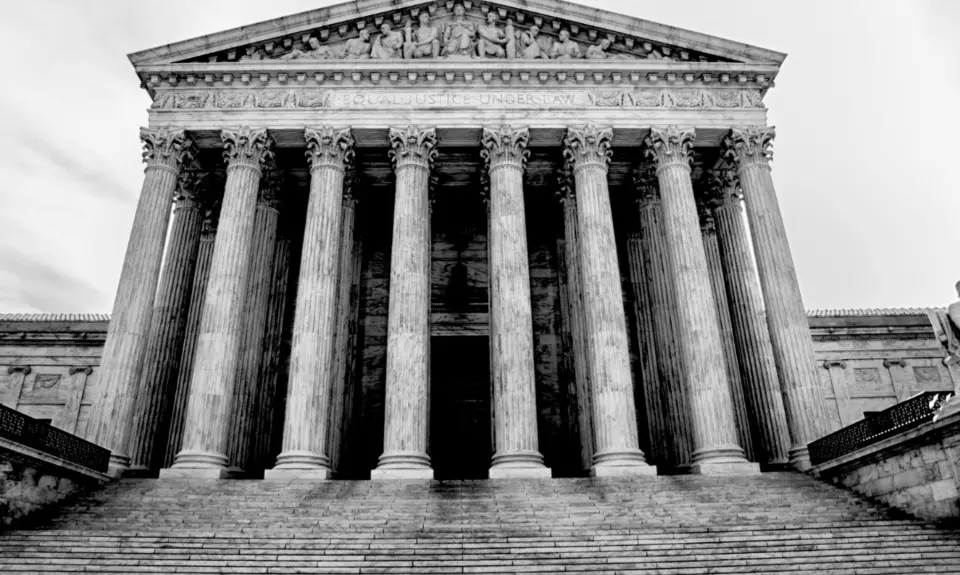
“Confirmed Judges, Confirmed Fears” is a blog series documenting the harmful impact of President Trump’s judges on Americans’ rights and liberties. It includes judges nominated in both his first and second terms.
Trump justices Neil Gorsuch, Brett Kavanaugh, and Amy Coney Barrett cast deciding votes in a 6-3 shadow docket ruling that stopped a lower court injunction and subjected some 300,000 Venezuelans who have been in the US on temporary protected status (TPS) to immediate deportation. Justice Ketanji Brown Jackson strongly dissented from the October ruling in Noem v National TPS Alliance.
What happened in this case?
Beginning in 2021, the US government made a series of findings that Venezuela was experiencing severe “humanitarian” as well as “political and economic” crises, including “human rights abuses and repression.” Under federal law, therefore, more than 300,000 Venezuelans living in this country received temporary protected status (TPS) protecting them from detention or deportation.
Early in the new Trump Administration, however, DHS Secretary Noem announced termination of this TPS status. A federal judge issued an order that stopped this action, which six members of the Supreme Court stayed in May. The district court judge, Edward Chen of the Northern District of California who was nominated by President Obama, continued to process the case, and reached a final determination on the merits in early September that Noem had broken the law in revoking TPS for the 300,000 Venezuelans. The Trump administration sought a stay of that ruling on the Supreme Court’s shadow docket.
How did Trump justices Gorsuch, Kavanaugh and Barrett and the rest of the Court majority rule and why is the result harmful?
In early October, the three Trump justices joined Chief Justice Roberts and Justices Thomas and Alito in yet another 6-3 shadow docket ruling that stayed Judge Chen’s order. Their only explanation was their assertion that the parties’ “legal arguments and relative harms generally” had not changed since its previous order.
Justice Ketanji Brown Jackson strongly dissented. She noted that over the last several months, the lower courts “have determined five times over” that the Administration’s “abrupt truncation of the TPS period” in this matter “was unlawful or likely so.” This latest shadow docket stay ruling, she went on, is “another grave misuse of our emergency docket,” as the majority accepts the “bald assertion of unconstrained executive power over countless families’ pleas for the stability” our government had previously promised them. The result, she concluded, is to “allow this Administration to disrupt as many lives as possible, as quickly as possible.”
More litigation is likely upcoming on this issue, but since some 300,000 Venezeluan immigrants are no longer protected from detention or deportation, as Justice Jackson’s dissent makes clear, serious harm to these immigrants, as well as to the rule of law, has been done. In addition, the ruling illustrates the importance of our federal courts to health, welfare and justice and the significance of having fair-minded judges on the federal bench.